I can honestly say that this is an animated film at which you can take a nice relaxing nap. I see a lot of animated films with my children and I cannot always do that. Five stars for restfulness.
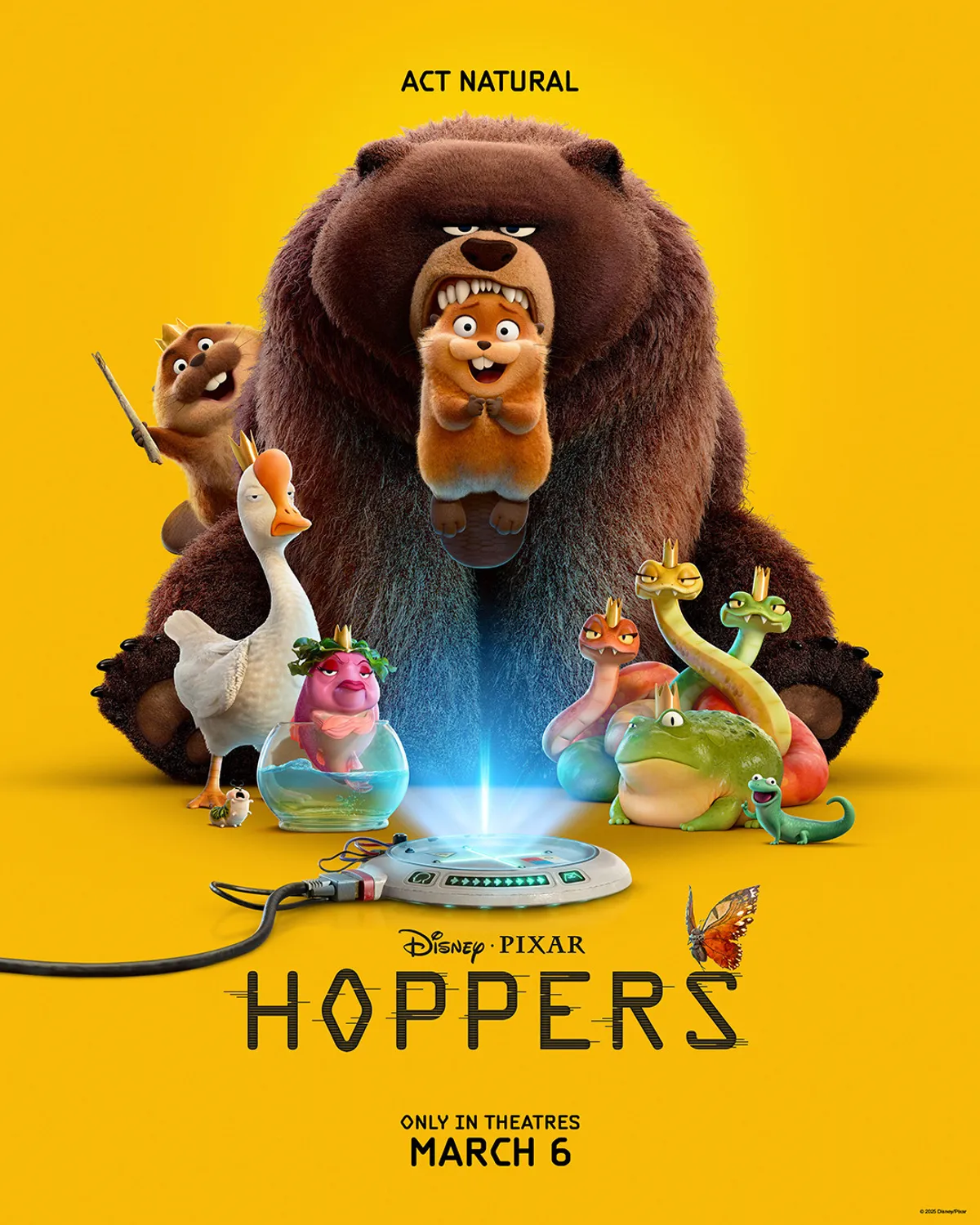

I can honestly say that this is an animated film at which you can take a nice relaxing nap. I see a lot of animated films with my children and I cannot always do that. Five stars for restfulness.
I purchased a Dell laptop in December. Three months later, it won’t boot up. I called Dell support and they tell me the fact that it won’t boot up is my problem, not theirs, not covered by warranty. Incredible. Dell used to make serviceable machines, but no longer. Avoid them and get a Lenovo or macbook.
Gene Wolfe is one of my favorite writers, and this is a wonderful book of his that I found some years after reading his epic Book of the New Sun, an amazing series that I want to reread soon. Unlike that dense, lengthy work, this is a shorter novel of mystery, adventure and myth, but like Wolfe’s other novels, it is beautifully written, tightly plotted and great fun to read. I just re-read it over the holidays, after hearing the carol, ‘Good King Wenceslas,’ which reminded me of the book. Wolfe explains his writing inspiration for this novel in the epilogue:
“Shortly before Christmas one year, Gene Wolfe was singing the carol ‘Good King Wenceslas’ and was struck by the king’s questions to his page: “Yonder peasant, who is he? Where, and what his dwelling?” And by the page’s answer: “Sire, he lives a good league hence, Underneath the mountain, Close against the forest fence, By St. Agnes’ fountain.”
Wolfe recalls, “I found myself wondering who, indeed, was that nameless medieval peasant from whom most of us are, in one way or another, descended.”
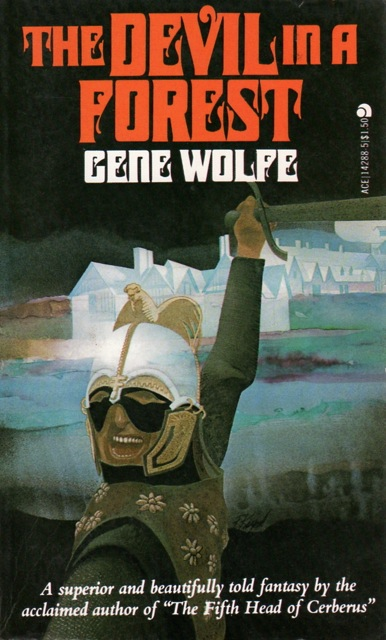
The Devil in a Forest is Wolfe’s story surrounding this peasant, whose little village becomes involved in a struggle between a nameless evil and the forces of good. There is a dangerous highwayman, a mysterious murder, and strange powers that converge upon this village and create havoc for Mark, the protagonist. The attention to detail in Mark’s day to day life, and that of his fellow villagers, is quite well done and made for some interesting reading. Mark’s trials and his battle for survival are suspenseful, keeping you guessing right until the end. I enjoyed this one very much—it is so different from some of Wolfe’s other books, but his concept and the execution are excellent. I don’t want to spoil the fun for those who may be interested in reading this one, but I recommend it to anyone who has enjoyed Wolfe’s more well-known books. Fantasy writing doesn’t get much better.
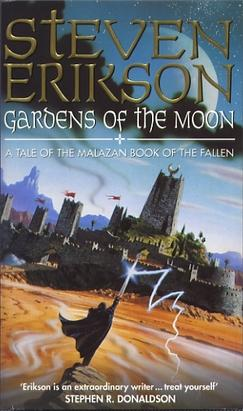
I recently read the first of Steven Erikson’s Malazan Book of the Fallen series, Gardens of the Moon. I had a fun time with this book, and enjoyed the epic scope of it. This is a long and dense series, and this first installment is a huge doorstop of a novel, with a cast of dozens of mages, wizards, soldiers, fighters, assassins and those caught up in the war enveloping the Malazan empire and the city of Darujistan. There are plenty of plot twists, political intrigue, and enough magic and battles to satisfy any fan of epic fantasy. If you like reading writers like George RR Martin, Tad Williams, Robert Jordan, and Brandon Sanderson, I think you’ll definitely enjoy this book. An added benefit is that this series is already completed, though the ten novels in it may seem daunting. Gardens of the Moon was first published back in 1999, and though I’d seen his books in the store and the library, I’d never read Erikson before. I’ve already picked up the second of this series and will continue with it after finishing some of the other books I’m currently reading. Highly recommended for fans of epic fantasy.
Glenn Jochum’s latest album, Frank’s Truck Stop, is a joy to listen to. Fans of roots and country rock will find so much to enjoy in this collection of songs. Jochum has a soulful, sincere voice that really engages you, and the playing of Don Cerce Jr. complements it perfectly. Cerce is an amazing player and an inductee of the New York State Country Music Hall of Fame who brings his talents to this record. His emotive playing is a fine counterpoint to Jochum’s singing and lyrics—they’re quite a dynamic duo.

“Rose in her Hair” starts off the fun—Glenn gives us a bluesy vision of better days here, singing “Come share the vision that life on the land brings/Come see the world with an innocent face” advice that all of us can take to heart in these hyper-connected, tumultuous days. You have to like his optimism here– it’s infectious.
The title song is a jaunty, fun tune that evokes a place where ‘We’re down-home folks, who like telling jokes, where food tastes like the frying pan.’ It’s a song that reminded me of listening to country music with my dad when I was growing up in the 80s, and would feel right at home in your collection of Glen Campbell or Johnny Cash albums. It’s a neat trick to tell a story and evoke a little world out of time in just three minutes, but Glenn accomplishes that here, has you tapping your feet along with the song, and he makes it sound easy.
No collection of country tunes would be complete without a heartbreaking tale of loss, and Glenn doesn’t disappoint, with “Smithereens,” among other tunes. “I can see the misty mountains…but I’ll never see this place again, cause I sabotaged my dreams…I smashed it all to smithereens,” he croons, and you can hear the regret and sadness in his voice. It’s not the cheeriest thought, but sung with such conviction and sureness that you can’t feel too sad about it. Like the best blues and country songs, it leaves you wanting more. Reflections is another song that speaks to loss and love, a brooding, sad tale of a broken relationship.
Copyright Blues is my favorite song on this collection. It has the kind of humor that I love in music, and Glenn is great at this sort of song. “Everybody told me about you, they all said that you would leave me blue, but I didn’t mind, my love for you was blind,” he sings, and you can almost see him grinning through the blues. “They might steal your copyright and walk away from you,” he says, concluding that he’s going to confiscate pictures of his lover and toss them in the sea to exorcise his loss. If you’re heartbroken and need to see the humor in it, this is the song for you. I was laughing at the image. It’s excellent advice for the broken-hearted. “What if?” is another great song in this vein, where he’s musing on the uncertainties of life and songwriting.
The other songs on this album are just as good as the ones I’ve highlighted. It’s been on rotation in my collection since I bought it, and I hope it will be in yours, too. Glenn is a poet, a fine songwriter, and if you enjoy your country and blues with a dash of humor, you’ll be happy you got this record.
Somehow, it’s been a quarter century since The Fellowship of the Ring first hit multiplexes. That was half a lifetime ago for me. I recall waiting for the movies eagerly, feeling very concerned that they wouldn’t be any good, that they’d get Tolkien all wrong and mess up my favorite book.
I needn’t have worried. They were great films, much better than anyone had a right to expect, and I loved them from the start. Oh, there were plenty of complaints from lots of people about what Peter Jackson and his team got wrong about Tolkien, but such criticisms were in the minority, far outweighed by the millions who loved the movies. The artistic achievement here was really beyond what even the most ardent fan might have hoped. The music, the costumes, the cast, the locations, the attention to detail, the story all came together in a way that rarely happens. The filmmakers created something grand that has stood the test of time.
I am somewhat surprised that a bigger deal hasn’t been made of this anniversary, but never mind that. I saw that the extended version of Fellowship was in the theater and asked my thirteen-year-old son what he thought. He’s read the books and seen the movies and was enthusiastically in favor of seeing them on a big screen, an experience he’d never had. My ten-year-old daughter also wanted to see it; she fretted a little that she’d not yet read the books, but she soon got over this and happily came along.
My daughter’s response to the films was quite sweet, and for me, it put to rest once and for all the idea that these films were somehow no good. I know Christopher Tolkien, as well as some Tolkien superfans, hated the movies, but whenever I heard such criticisms over the years, I couldn’t have cared less, and after seeing my daughter’s adoring reaction to the movies, I think whether someone disliked these films is not something I could ever be persuaded to care about. She loved the epic scope of it, the characters and the settings and the battles. She loved Gimli and Gandalf and the hobbits and everything in between. Again: she is ten years old and now can’t wait to read The Lord of the Rings. It was her introduction to this vast, glorious epic. She knows about Tolkien, since she’s heard me talking about his books and has seen all the games and memorabilia I have, but these movies further sparked her imagination, just as Harry Potter and other books and movies have. There is nothing at all wrong with her uncritical love of these movies, nor with the way the rest of the audience have found happiness or escape or emotion in it. Any critic, no matter how well versed (or not) in Tolkien, is free to dislike the movies as much as they wish, but it’s quite clear they are missing the point and need to perhaps understand that we all come to these things differently.
For my part, after having lived with these interpretations of the books for so long, I was amazed at how well they held up. They still look better than anything else out there, which is a real testament to the craftsmanship, hard work, and love with which they were made. It’s of course condensed and simplified from the novel, but I don’t care about that at all. Filmmakers are required to do things to sell a movie; it’s a different medium that requires different things than a book does, especially when so much money is at stake. Given such constraints, it is a miracle these movies were as good as they were.
My children loved seeing The Fellowship of the Ring so much that we went back Saturday to see The Two Towers, and Sunday for The Return of the King. We are now reading the books together. I can’t think of a better way to spend a weekend. If you’ve never seen these movies on the big screen, I highly recommend it.
There are a lot of fantasy series out there, but in my view, Tad Williams’ Osten Ard novels are some of the very best. I was a huge fan of his epic Memory, Sorrow, and Thorn trilogy back when it came out; I was in high school when the first volume arrived, and I was hungry for more fantasy adventures after reading Tolkien. I found Williams to be great in his own right, very different, much darker. I loved the series and read some of his other books over the years.
A few years ago, when I learned he was going to write a sequel series set in Osten Ard, I was overjoyed. The Last King of Osten Ard has been a fun and engaging trip for me, and for many of us who love epic fantasy. These four volumes exceeded my expectations. There were also two shorter, superb prequel novels for the series that I highly recommend.
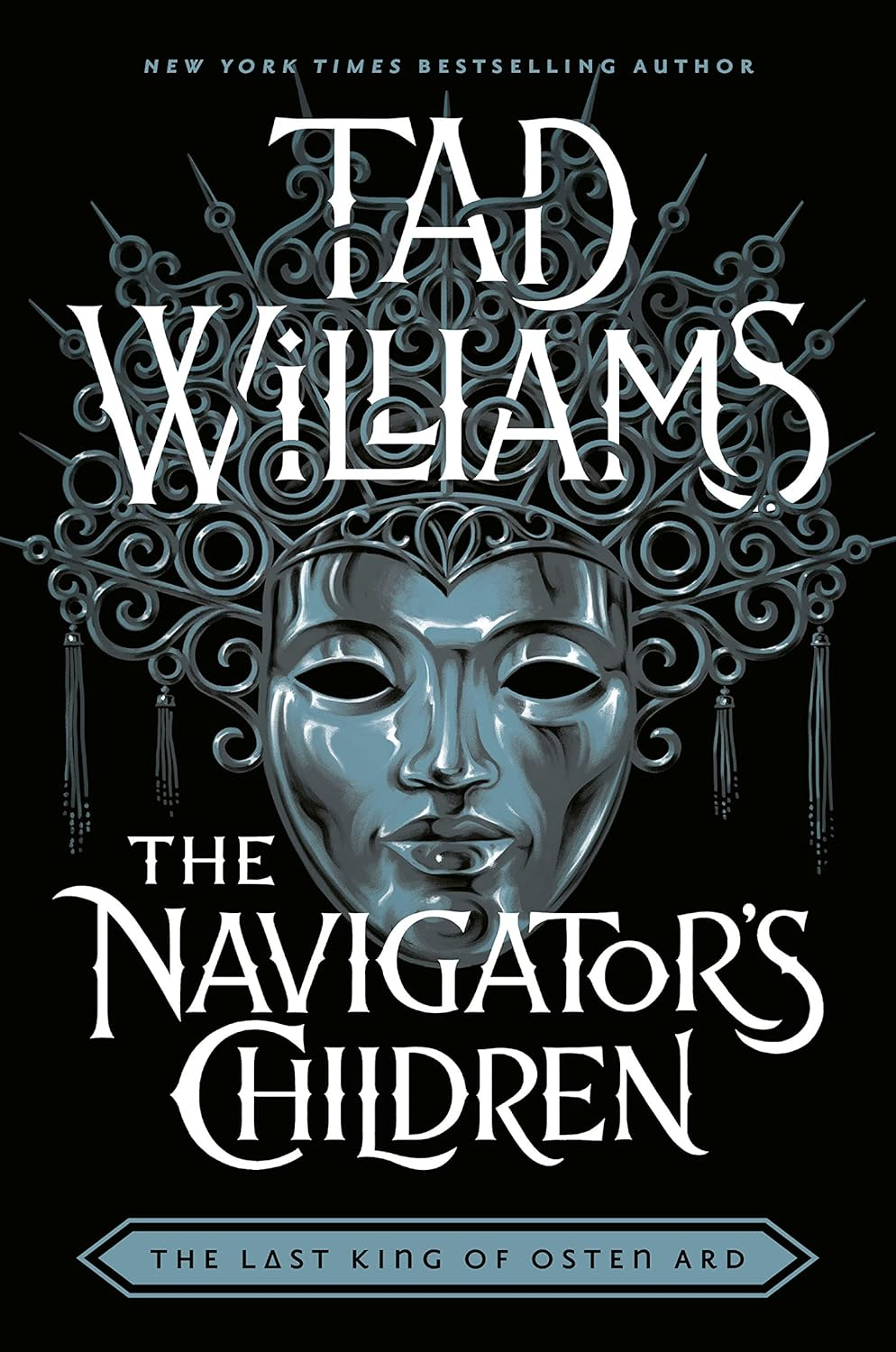
I finally read The Navigator’s Children over the holidays–it deftly ties the series up in a satisfying conclusion. There is a war to be fought, backstabbing villains, heroic deeds, and endless intrigue. There are also no easy answers or morality here. I really am in awe of how Williams finished this series, after so many years away from these characters. The story is dense, the world is staggeringly vast, and it is hard sometimes to keep track of all the interweaving story lines. I think Williams deserves so much credit for doing justice to all these characters and this story. It is no easy task. Most writers struggle to write convincing prose for much simpler kinds of tales, but he has again managed to do it in a lengthy, sweeping narrative.
I was happy to adventure again with Simon, Miriamele, and their many friends. In my view, what Williams really excels at is keeping the fates of all these characters in doubt right until the very end. They face such impossible odds that you think there must be no way out, again and again. I don’t wish to spoil anything for those of you who haven’t yet read the books, but I want to encourage those of you who have enjoyed books like Game of Thrones, Lord of the Rings, or other epic fantasy, to read these as well. If you’ve not read the original trilogy, start there, with The Dragonbone Chair. It may be an investment of time, but it’s well worth it; if you love epic fantasy novels, and haven’t read these, you are missing out. I was sad when it all ended, but pleased to see that Williams has a new Osten Ard book planned for later this year, which I will happily devour.
One observation about marketing from me, a guy who is an avid reader but who is not a businessperson or bookseller: I think bookstores could have made a better effort to promote this excellent novel. Maybe it’s just me, but my local Barnes and Noble didn’t have it when it came out, which I found shocking. I would think there would have been a major effort to promote it, with its own table, quotes from admiring authors like George RR Martin, and so on. I guess people who know and like Williams’ work were going to buy it, but it was surprising to me that there wasn’t more publicity. My local bookstore also didn’t have the latest Philip Pullman novel when I was last there, which seems very odd. Perhaps those of us who read these kinds of novels are getting older, but in my opinion it’s a missed opportunity on the part of booksellers when they don’t make a bigger deal out of new releases from major authors.
I just watched Franco Zeffirelli’s Romeo and Juliet with my thirteen year old son, and we both enjoyed it so much. I last viewed it when I was a Freshman in high school, nearly forty years ago. I recall being very moved by it, but doing my best to keep my enthusiasm for it hidden from my classmates. I still have many lines from it committed to memory thanks to my ninth grade English teacher.
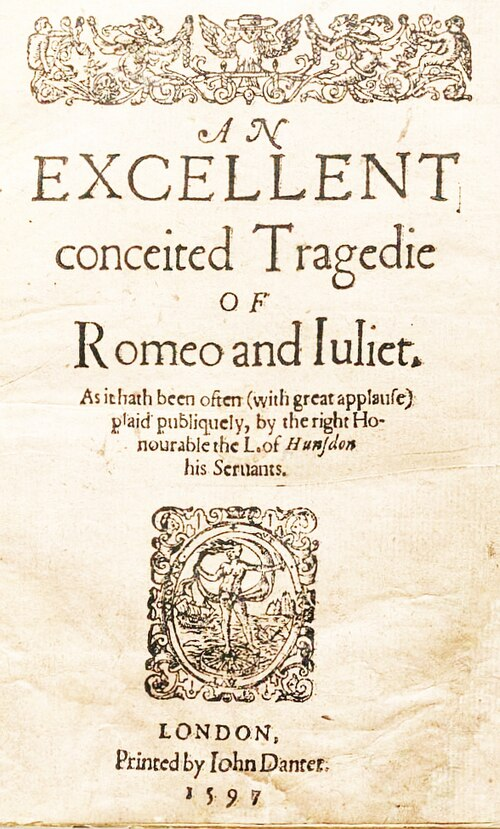
In viewing it now: my goodness what an amazing production. The costumes, the sets, the locations, the cast are all superb. This has got to be one of the best film versions of a Shakespeare play ever made. One of the things I found quite arresting was the duel scene; the sweat and dirt and grit and athleticism of the cast made it feel startlingly real. The same is true of the passionate desperation with which Romeo and Juliet fall for each other. Completely reckless and irresponsible, as the young so often can be.
There’s the beauty of the language, of course–my son remarked with surprise at several points in the play, when he realized where some famous quote came from: “A plague on both your houses!” “A rose by any other name would smell as sweet.” “Parting is such sweet sorrow.” On and on it went. Only in reading and seeing these plays performed do you get a true appreciation of how magnificent they are, and how much of our culture owes a great debt to Shakespeare.
I found this tragedy terribly sad as a fourteen year old, so upsetting that I didn’t much want to watch it or read it again. I have read it a few times since then over the years, but now that I have children of my own, the story was far more wrenching to me. When you’re young I don’t think you really know just how inexperienced and innocent you are. The passage of time and a different perspective have made this play much greater in my eyes.
Friendship, with Tim Robinson, was great fun; if you enjoy the over-the-top characters and situations in his sketch comedy, you’ll find plenty of laughs in this tale of a misfit who can’t seem to act normally. The movie reminded me of The Cable Guy, the equally hilarious story of a man who wants so badly to be friends with a customer that he stalks him, committing crimes in the hopes of forging a connection.
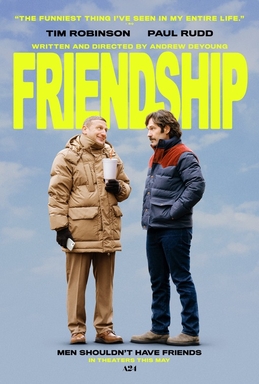
This story was a bit more dramatic than that, as Robinson’s character, Craig, desperately craves the approval of his new neighbor, Austin (Paul Rudd), an incredibly cool dude and local weatherman who at first takes an interest in Craig, before finding out how unhinged he is. When Craig acts like a lunatic at Austin’s party, Austin politely suggests they go their separate ways. But Craig, who has no other friends, and seemingly no other hobbies aside from buying clothes and obsessing over them, feels totally betrayed by this rejection. He has bought a drum kit, lost his phone, and started acting like the carefree spirit he believes Austin to be, and won’t let this bromance die without a fight.
What follows is the relentless destruction of Craig’s life—he loses everything—his wife, his job, and what little dignity he once possessed, as he pursues his lost friend, only to find that Austin isn’t who he seems. At one point, in total despair, he screams at Austin “You all accepted me way too fast! You can’t do that! You made me feel too free! People need rules!”
These lines, delivered with Robinson’s trademark, bug-eyed wildness, had me dying with laughter and encapsulated this poor man’s dilemma. He’s an awkward psychopath who holds a good job, with nice clothes, a nice house and family, but he is emotionally stunted, living through his phone, spending his days wishing he could fit in and be a normal guy, something he enviously watches his colleagues and coworkers do with seemingly effortless ease. For work he creates an addictive app, when not making up ad campaigns for local politicians. His wife, who has recently beaten cancer, cannot stand him, nor can his teenage son.
If there was a flaw in the movie, I thought it was in this home life. It seemed beyond belief that Craig would have married so highly above himself and had such a good job. But then again, most sitcoms have this same exact setup: an oaf with a beautiful wife and family who barely tolerate him. And there are lots of weirdos walking among us, doing all sorts of crazy things under the veneer of normality. I really enjoyed this movie, even if I am more partial to Robinson’s more light spirited anarchic stuff.
Speaking of which, I found the first episodes of his new HBO show, The Chair Company, to be totally hilarious and loved everything about it. In this one, Robinson again plays a suffering everyman, this time seeking justice against an office furniture business after enduring a hysterically funny mishap in front of his entire workplace. Robinson is so good at these kinds of characters, barely holding his life together, trying to keep a lid on a brimming rage that bursts out over and over, through minor and major inconveniences. After his fall, he is determined to root out the villains who have embarrassed him, no matter the cost. The first two episodes moved him down this dark path in a painfully funny manner, and I can’t wait to see just how outrageous it gets over the course of the story.
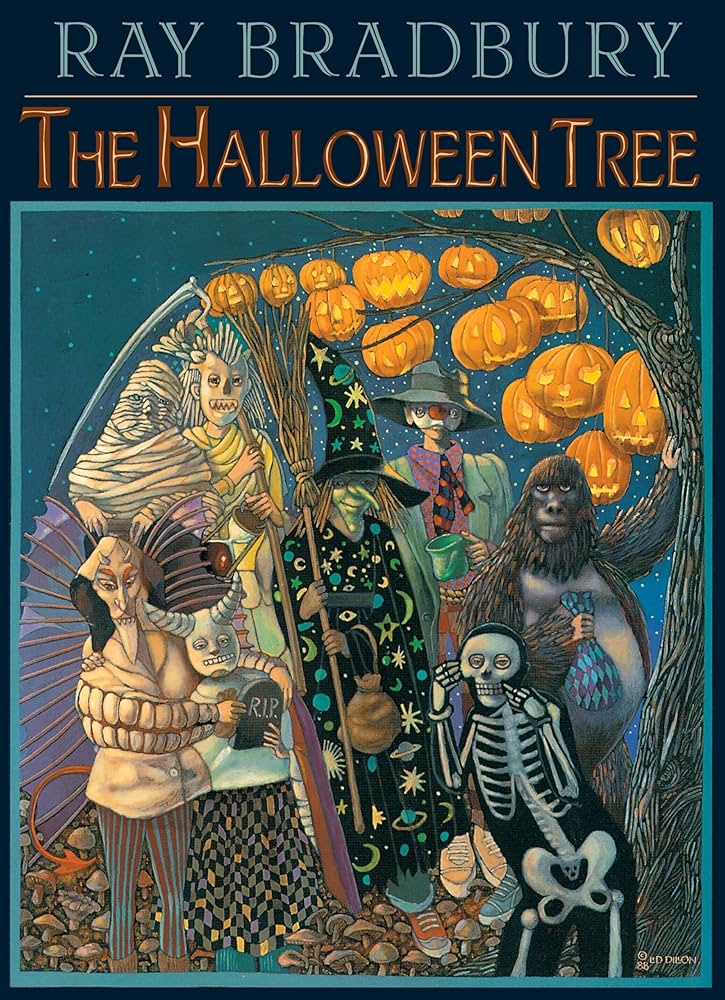
Starting Octber 1, I wrote short reviews and thoughts about 31 different Gothic tales that I have enjoyed through the years. I did this in no particular order, choosing a new one every day from my bookshelf. My reading is skewed heavily toward things published decades ago; the most recent one here is Roger Zelazny’s A Night in the Lonesome October, from 1993, with the oldest being Anne’s Radcliffe’s The Mysteries of Udolpho from 1794. Thirteen of these were written before 1900. The breakdown, when I looked at it, went like this:
1700s: 1 1800s: 12 (1890s: 5, 1810s, 2, 1830s, 2 1840s 1 1860s 2) 1930s: 1 1940s: 1 1950s: 4
1960s: 2 1970s: 4 1980s: 5 1990s: 1
The entire list, with links, is below, for anyone interested. My reading habits in general skew this way, as well. For whatever reason I am not usually in the habit of reading contemporary things or bestsellers, with some exceptions, which you can see on the list. I recall many years ago a creative writing professor damning me with faint praise by saying my writing style was ‘old fashioned,’ which I took as a badge of honor.
This was a fun project, and I may do a more limited one of holiday tales in December.
 Christopher Tuthill