
At times, sending out stories and manuscripts and getting no response can get frustrating. But that’s the way it is, and complaining about it doesn’t do any good. It is maddening when you see some of the awful things that become bestsellers, that get all kinds of attention and large publishing deals. Unfair, maybe, but that’s how it goes. First, you must write a great book, and then you must either know someone, or be in the right place at the right time. Some writers will beat the odds, so I keep plugging away, and in any case, I write for myself and won’t stop no matter what happens.
Which brings me to the subject of criticism, and gatekeepers. There are many of these that writers need to ignore. I was thinking of that curious thing, the writing workshop. In my experience, most of these were not at all a supportive environment; in fact, they were quite the opposite, in most cases, with students attacking each other’s work in an effort, I guess, to impress the instructor, a person who had published something and whose approval many in the class usually craved.
The comments on my stories were sometimes helpful, sometimes not, occasionally rude and off putting, and I listened to almost none of it except those written honestly. And yet, even an honest critic might be wrong. Gatekeepers at publishing houses, as well as literary agents, are quite often wrong about a great many things. Just check out the mountains of rejection letters received by people like Ursula LeGuin, Stephen King, Frank Herbert, and plenty of others.

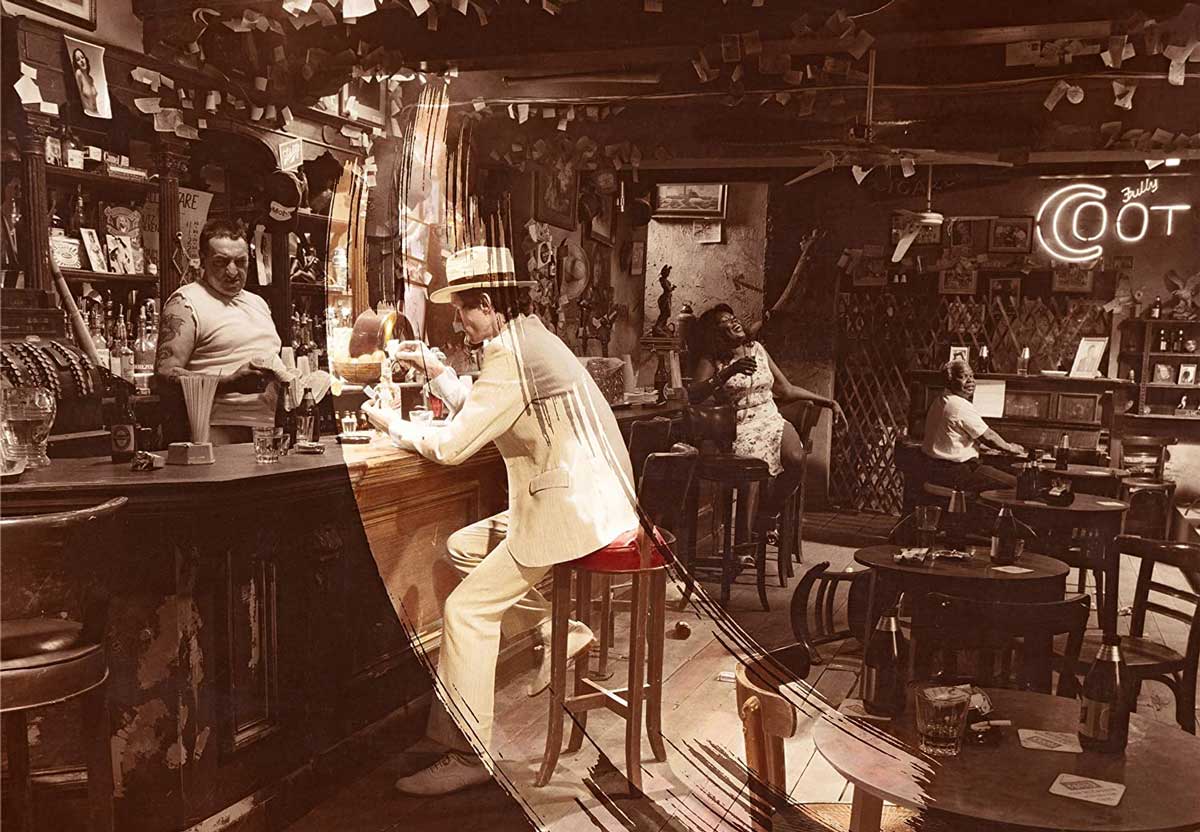
Last night, I couldn’t sleep and was listening to Led Zeppelin, one of my favorite bands. As I sometimes do with artists I admire, I went and looked up contemporary reviews of their groundbreaking records, which have sold over a hundred million copies. One snob said Robert Plant’s lyrics were awful. Rolling Stone wrote that the whole office laughed in mockery at “In Through the Out Door,” the band’s final album, recorded in the terrible wake of the death of Plant’s son. Quite hilarious, you bunch of hipster morons, was all I could think. What a terrible record that brought nothing but happiness and sold tens of millions of copies. Yep, Zeppelin sure were a laughingstock.
I’m now fifty, and I don’t do reviews of new books very often anymore. I used to years ago, for a couple of online sites, but I found that unless I want to spend a lot of time digesting a book, and can say something thoughtful and supportive, there is little point. These things are so subjective, and a random critic has as much to say on the topic of a new book as any thoughtful reader, of which there are a great many. Instead, I’ll do goodreads reviews of books I enjoy, sometimes. And I’ll let my friends and contacts know which books I’m reading. Major outlets like the New York Times and other venues might help a reader decide whether to buy something, I suppose, but more often it is a badge of honor that the author of the book can proudly wear. It may help boost sales. Or if it’s a negative review, they may never live it down.
As the years pass, I’ve realized that apart from a very few trusted book critics, I’d rather just read a book and make up my own mind. The opinions of editors and agents and others in the publishing business are meaningless. In the end, there are your words, your story, and you tell it as best you can. You hope someone likes it, but whether they do or not hardly matters at all. You’re left with your honesty and your effort, and that’s about all you can do. Anything less is not enough, no matter what accolades other people might want to give you. And if you stick to your own vision and work, you can never lose, no matter what any critic says.
 Christopher Tuthill